Autumn Art Therapy
Are you enduring grief, job loss, relationship struggles, anxiety, depression,
or other challenges? I support meaningful change
with a gentle, effective therapeutic approach.
Schedule a complimentary 20-minute online meet and greet with me by texting (250) 320-1845. This appointment is a great opportunity for us to get to know each other better, ask questions, and discuss any concerns you may have.
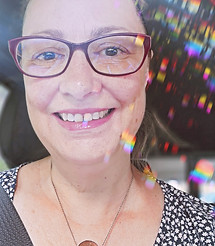
I'm Pamela Fry, a Certified Art Therapist. Our work together will be guided by your
needs and goals. Let me support you to create effective and meaningful change
in your life.
Online or at-home art therapy sessions for individuals and customized group sessions
for organizations.
Text messages welcome at 1 250 320-1845


What happens during an art therapy session?
Every art therapy session is unique, but most include a brief explanation about art therapy, a warm up creative activity, discussion of a theme or focus or goal for your sessions, more art making, and then sharing.
The needs, goals, interests and experiences of participants inform my facilitation and guidance. I do not offer an interpretation, and instead, guide you to find meaning in your creative process.
We will decide on art materials, topics, and the approach to therapy that is most effective for you and your organization.
About Art Therapy - FAQ's
I can't draw! Can I participate in art therapy?
Absolutely! Art therapy is not just for artists (although they love it too!). It's for anyone who wants to explore creativity as a method for developing self awareness, healing, or solving problems.
Do I need to provide expensive art supplies?
Not at all! For individual online sessions, participants may use whatever they have at hand. Alternatively, I can mail a simple art kit to you for a nominal fee.
If I visit your home, I will bring along everything you need.
For groups, I provide all of the necessary supplies for each session, and by purchasing them in bulk, I reduce the costs for you.
How long are the sessions?
Ideally, a session lasts 1-2hrs. This allows ample time for creativity and discussion.
What does Art Therapy cost?
Rates for therapy with me reflect the challenging
economy in the Cariboo region of British Columbia. Please contact me for details.

Does Art Therapy Work?
Art therapy, facilitated by a professional art therapist, effectively supports personal and relational treatment goals, as well as community concerns. Art therapy is used to improve cognitive and sensorimotor functions, foster self-esteem and self-awareness, cultivate emotional resilience, promote insight, enhance social skills, reduce and resolve conflicts and distress, and advance societal and ecological change (American Art Therapy Association, 2018)
Here are a few of the ways Art Therapy supports mental and physical health:
-
Provides a safe, non-verbal method to process trauma, grief, and other difficult emotions that might be hard to articulate with words.
-
Engaging in the creative process grounds individuals in the present moment, lowering the stress hormone cortisol and alleviating symptoms of anxiety.
-
Fosters a deeper understanding of personal behaviors and thought patterns, which builds self-worth, confidence, and independence.
-
Helps externalize frightening memories, allowing individuals to manage and gain insight into traumatic experiences.
-
Making art normalizes vital signs like heart rate and blood pressure, shifting the body out of "fight or flight" mode.
-
Used in hospital and palliative settings to help patients—including children and adults with cancer, cope with chronic pain and distressing medical symptoms.
-
Stimulates cognitive and sensorimotor functions, which is highly beneficial for older adults with dementia or neurodegenerative diseases.
-
Helps develop problem-solving skills and facilitates a deeper insight into others' life challenges.
-
Group art therapy sessions provide a welcoming environment to interact, build relationships, and grow social networks.
Learn more about the Art Therapy profession in Canada
at the Canadian Art Therapy Association